Portugal
Portuguese
Guide
20 recipes
Country guide
Portugal
Flavor notes from Portugal
Portuguese home cooking shaped by Olive oil, Salt cod, Paprika, with practical regional dishes and traditional everyday flavors.
Region
Europe
Cuisine
Portuguese
Recipes
20 dishes
Recipe shelf
Portugal recipes
Cook 20 portuguese favorites from the first collection.
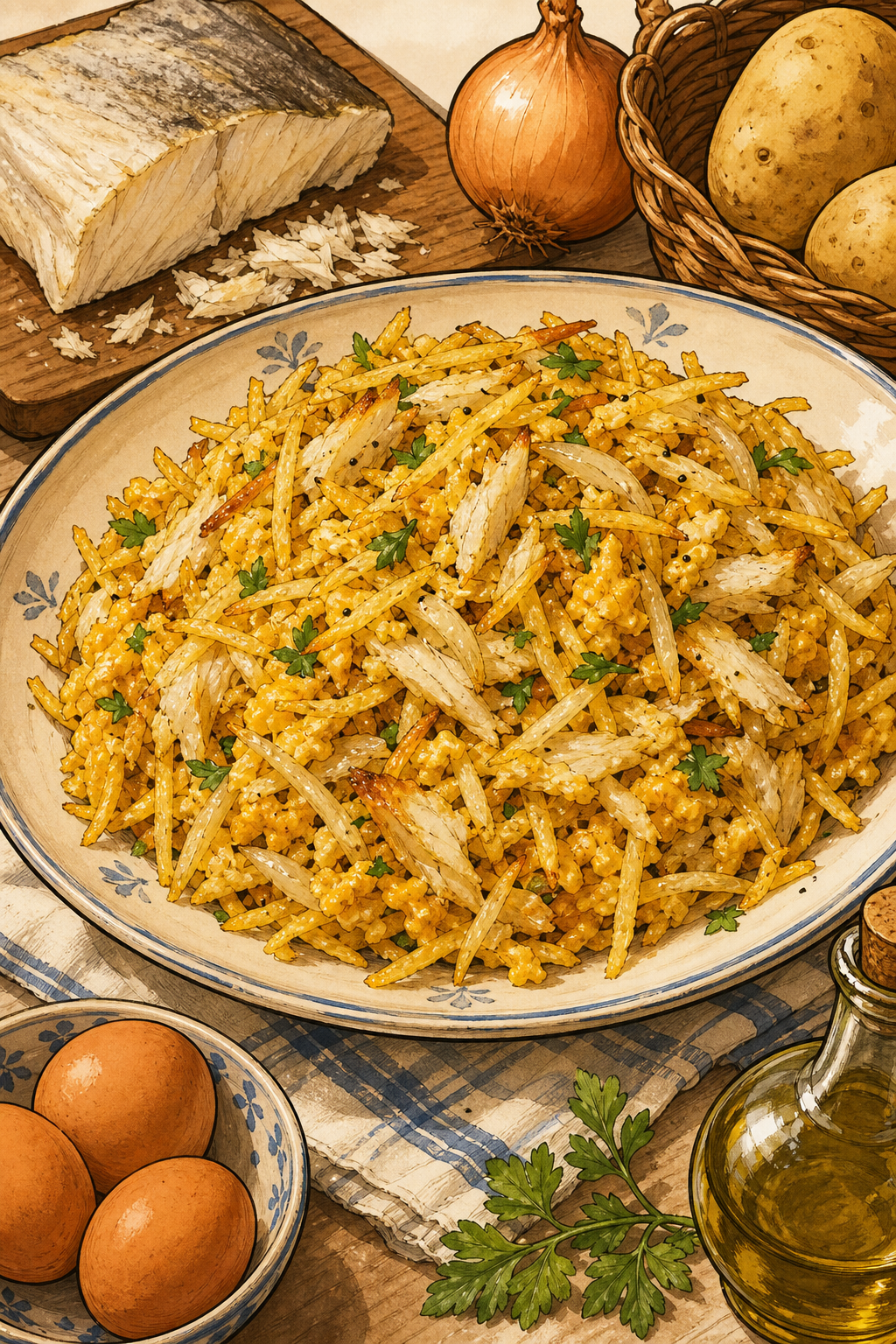
Traditional Bacalhau à Brás
Bacalhau à Brás is a Lisbon classic of desalted salt cod, slowly softened onion, crisp matchstick potatoes, and softly set eggs, finished with parsley and black olives.
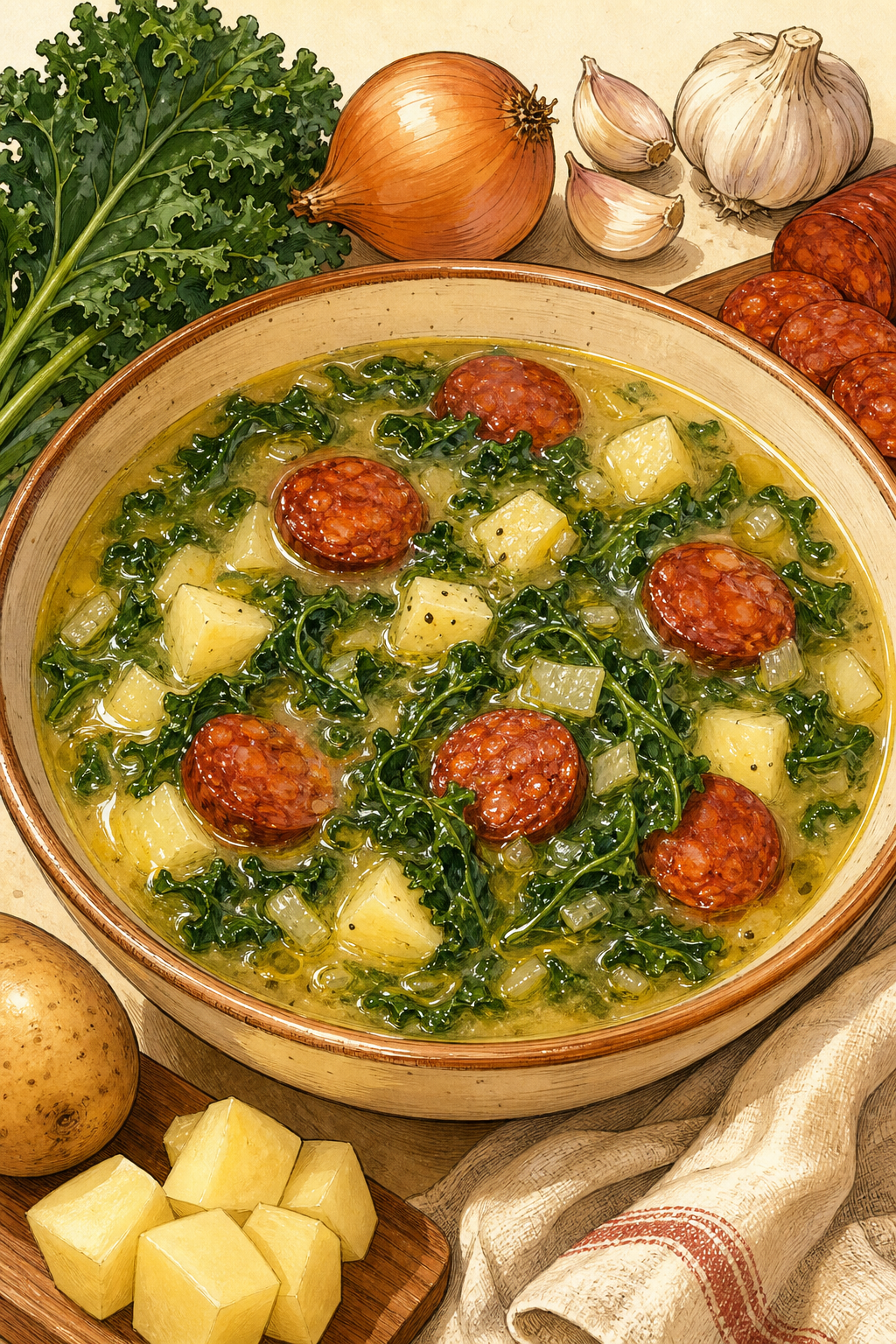
Traditional Portuguese Caldo Verde
Traditional caldo verde pairs a smooth potato-and-onion broth with hair-thin ribbons of couve-galega, olive oil, and a few slices of Portuguese chouriço.
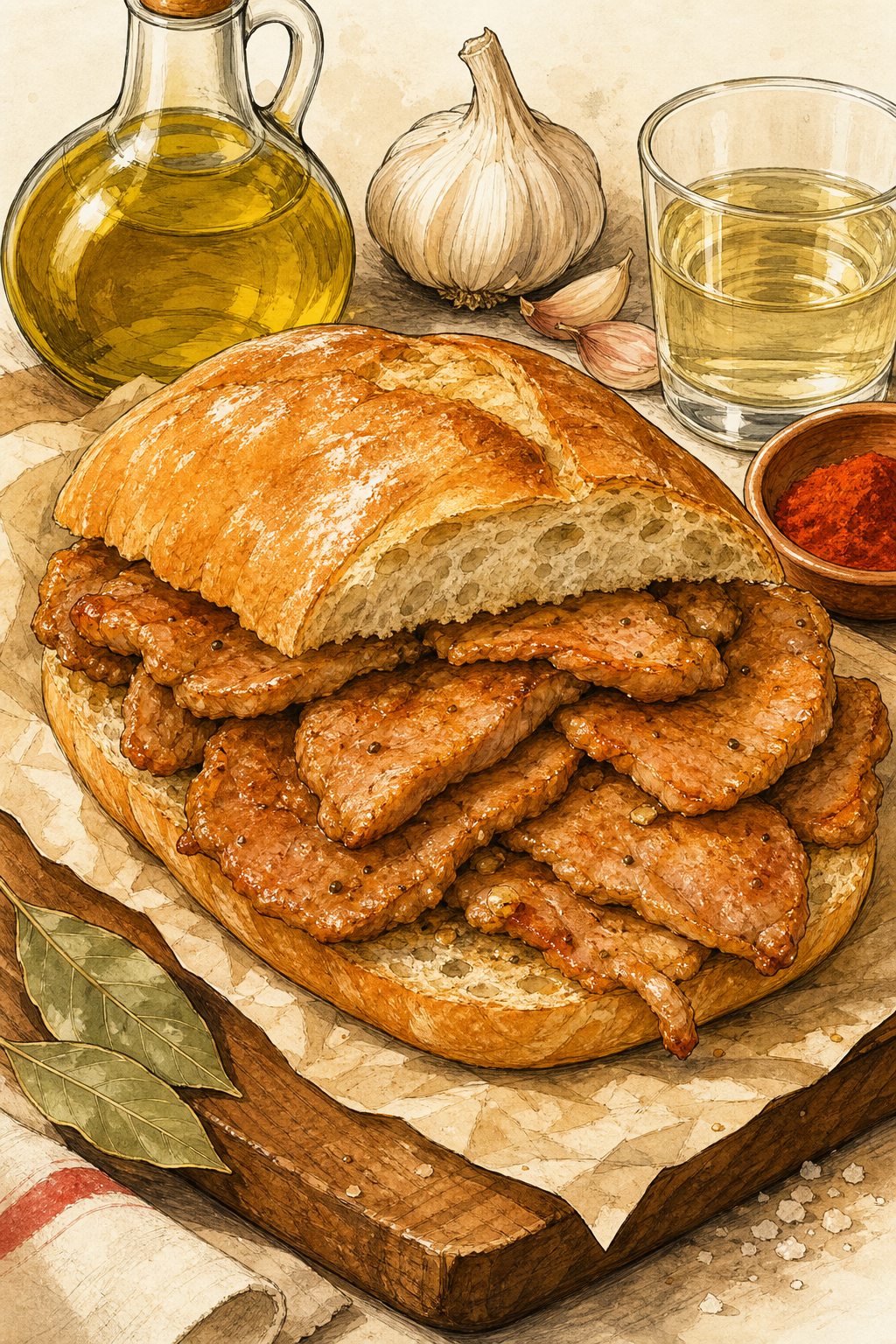
Traditional Portuguese Bifana
A bifana is a Portuguese pork sandwich: very thin pork steaks simmered in a garlicky white-wine and bay-leaf sauce, tucked into a crusty papo-seco roll.
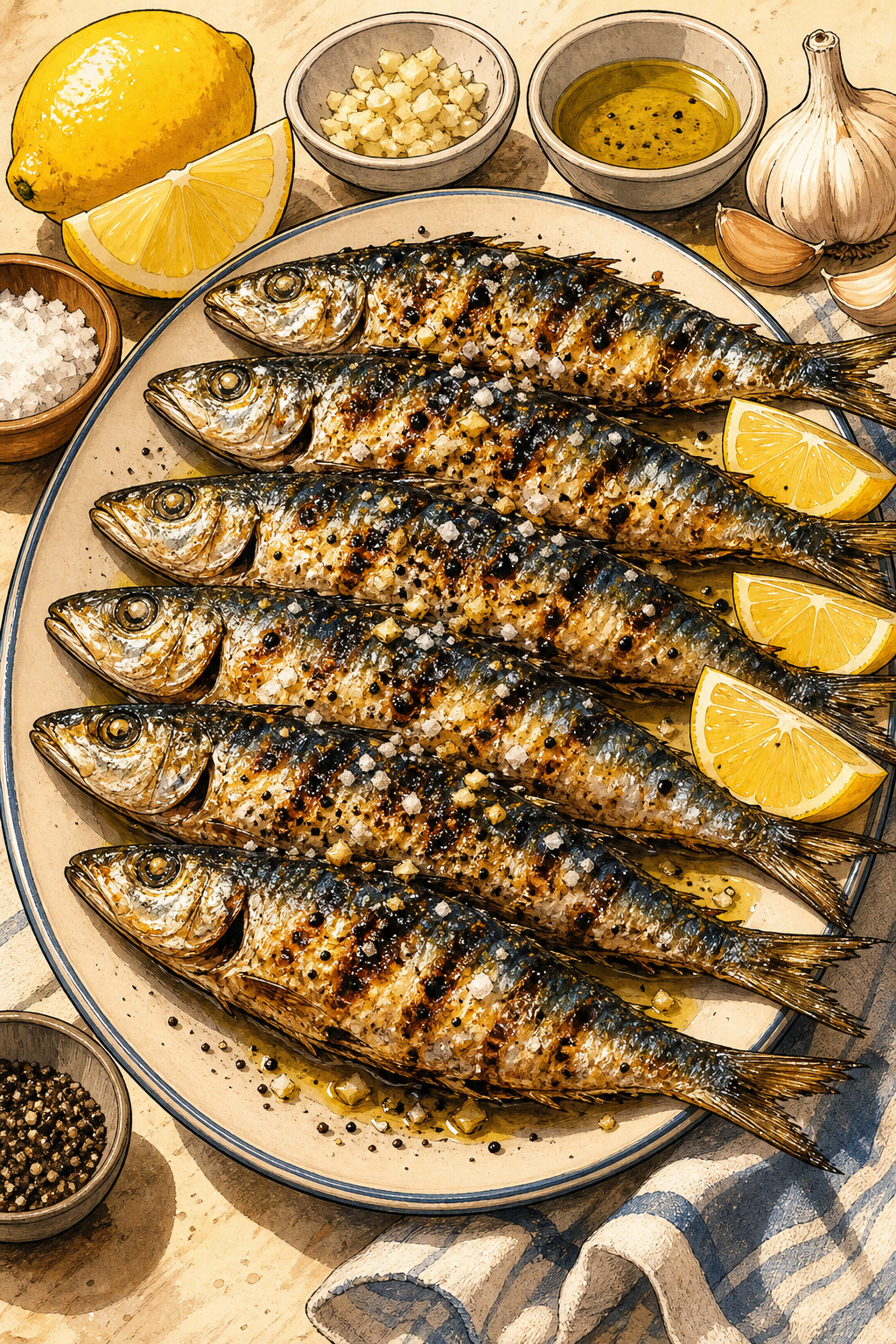
Traditional Sardinhas Assadas na Brasa
Portuguese sardinhas assadas are whole fresh sardines seasoned simply with coarse salt and grilled directly over hot charcoal until smoky and blistered.
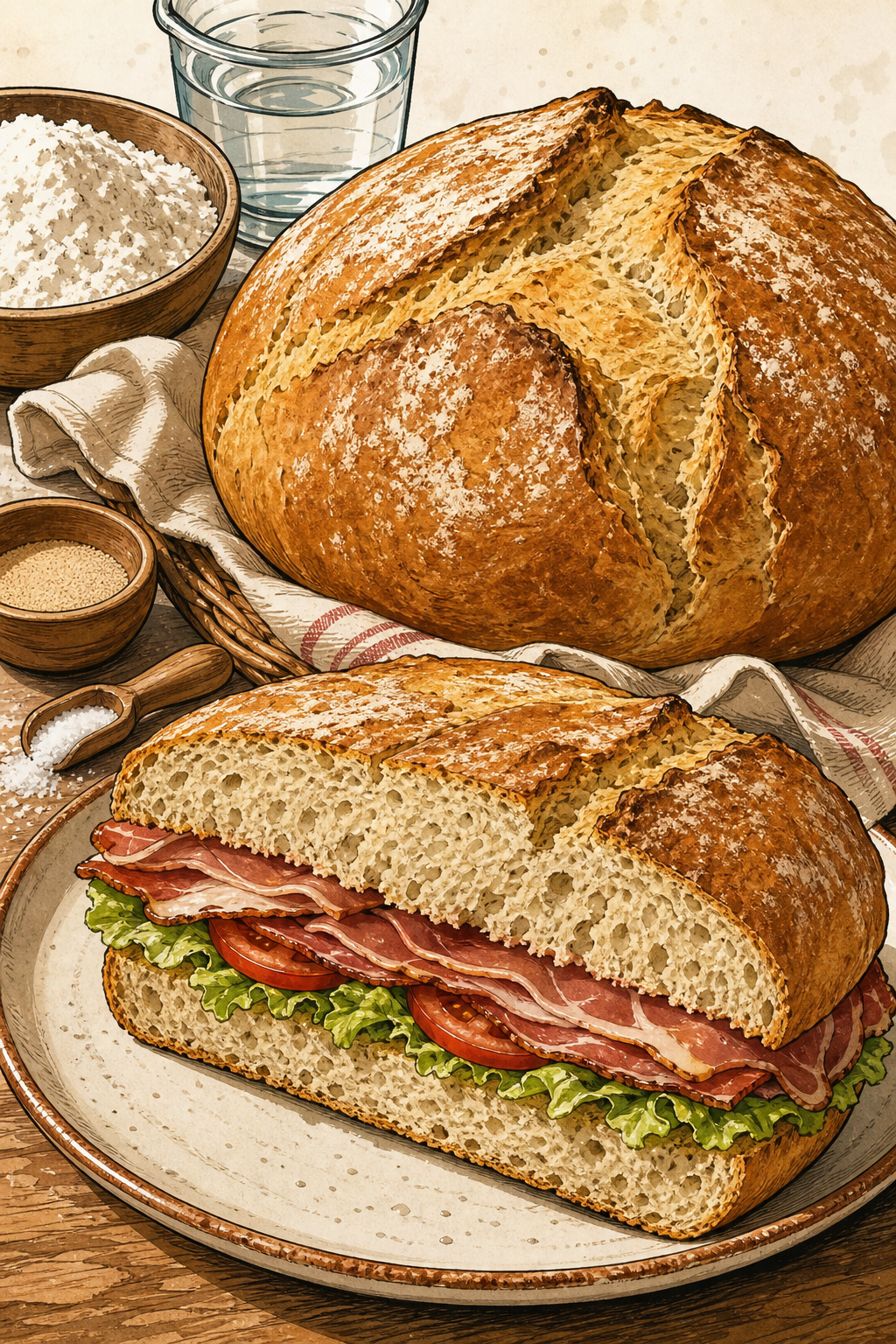
Traditional Pão Alentejano
Pão Alentejano is a naturally flavored, unsweetened country loaf with a long fermentation, substantial crumb, and deeply baked crust, traditionally shaped with its characteristic head.
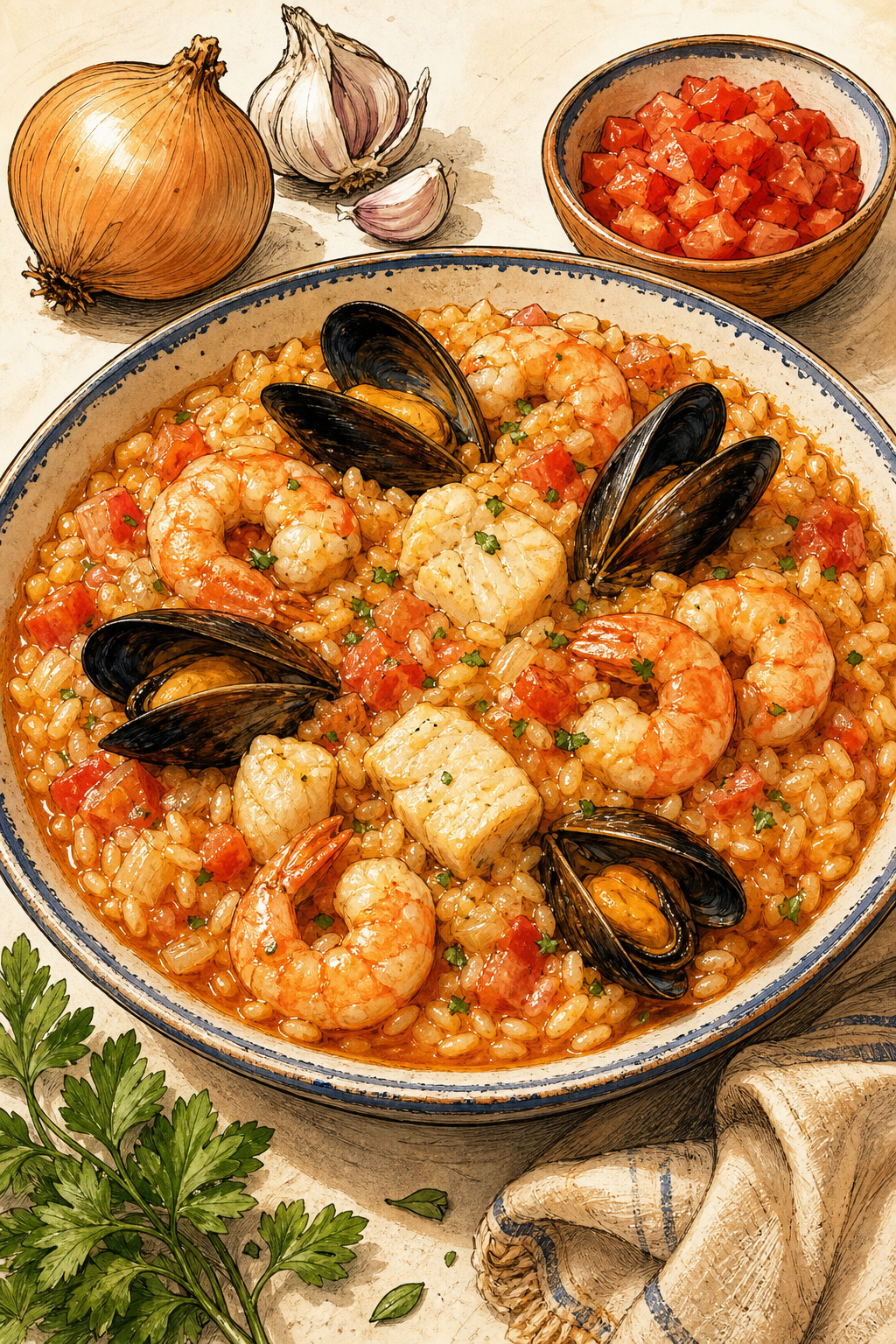
Traditional Portuguese Arroz de Marisco
Arroz de marisco is a loose, brothy Portuguese shellfish rice made with carolino rice, a shellfish stock, tomato, white wine, and coriander—the finished texture is malandrinho, never dry like paella or creamy like risotto.
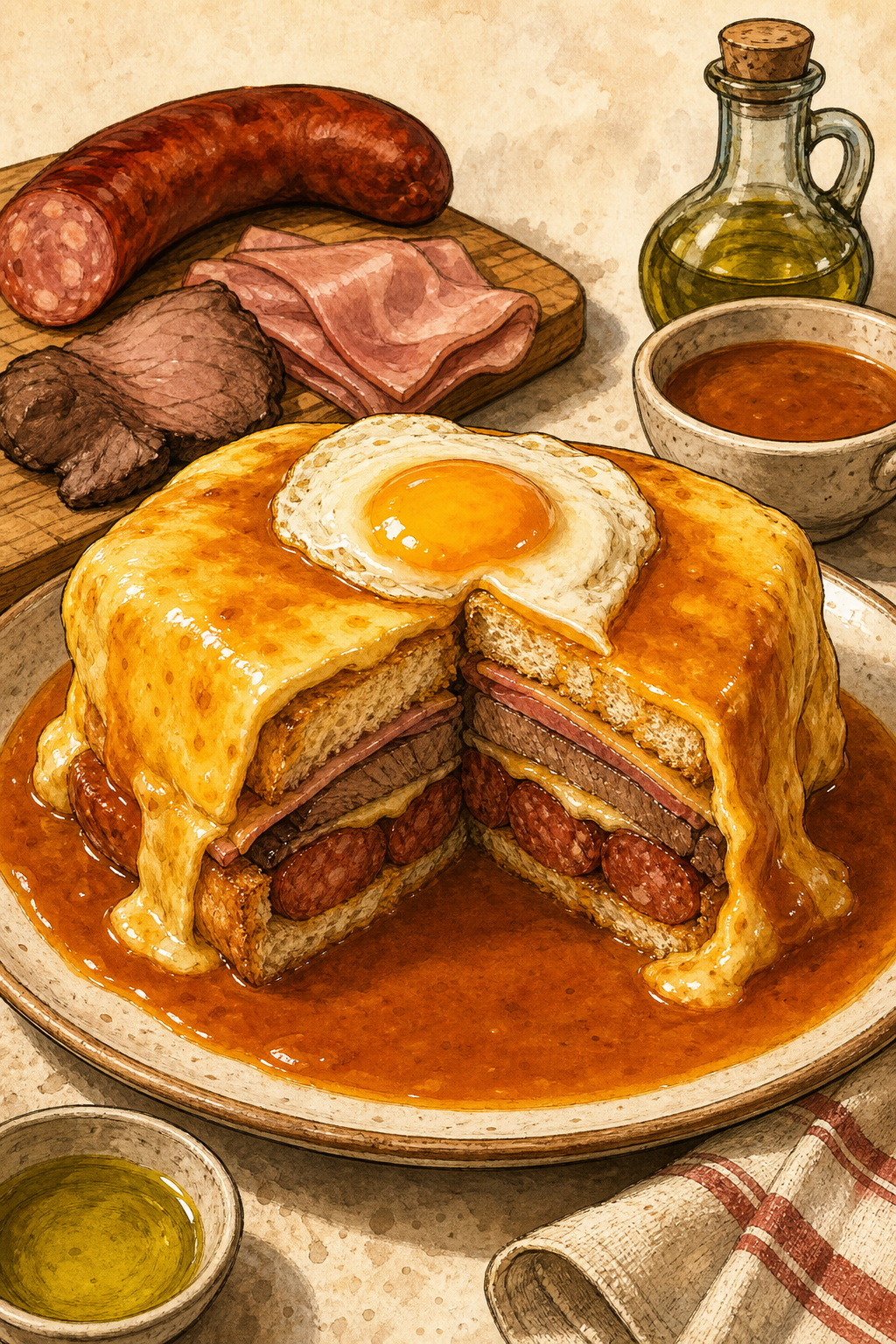
Traditional Porto Francesinha
Porto’s francesinha layers steak, ham, linguiça, and fresh sausage between bread, covers it with melting cheese, and bathes it in a hot beer-and-tomato sauce.
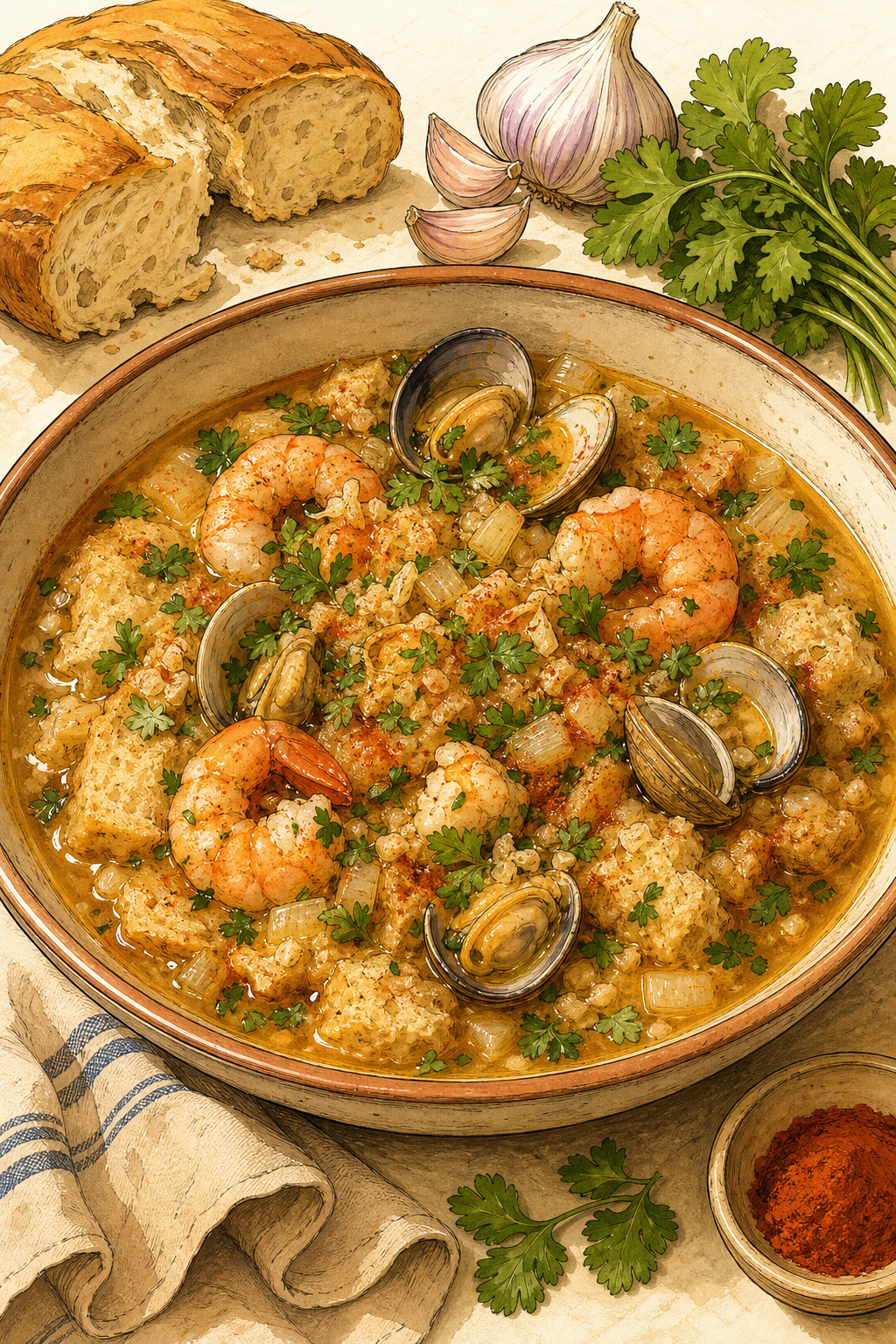
Traditional Açorda de Marisco
Açorda de marisco is an Alentejo-style bread dish in which stale bread absorbs a garlic-and-coriander shellfish broth, enriched at the end with egg and olive oil.
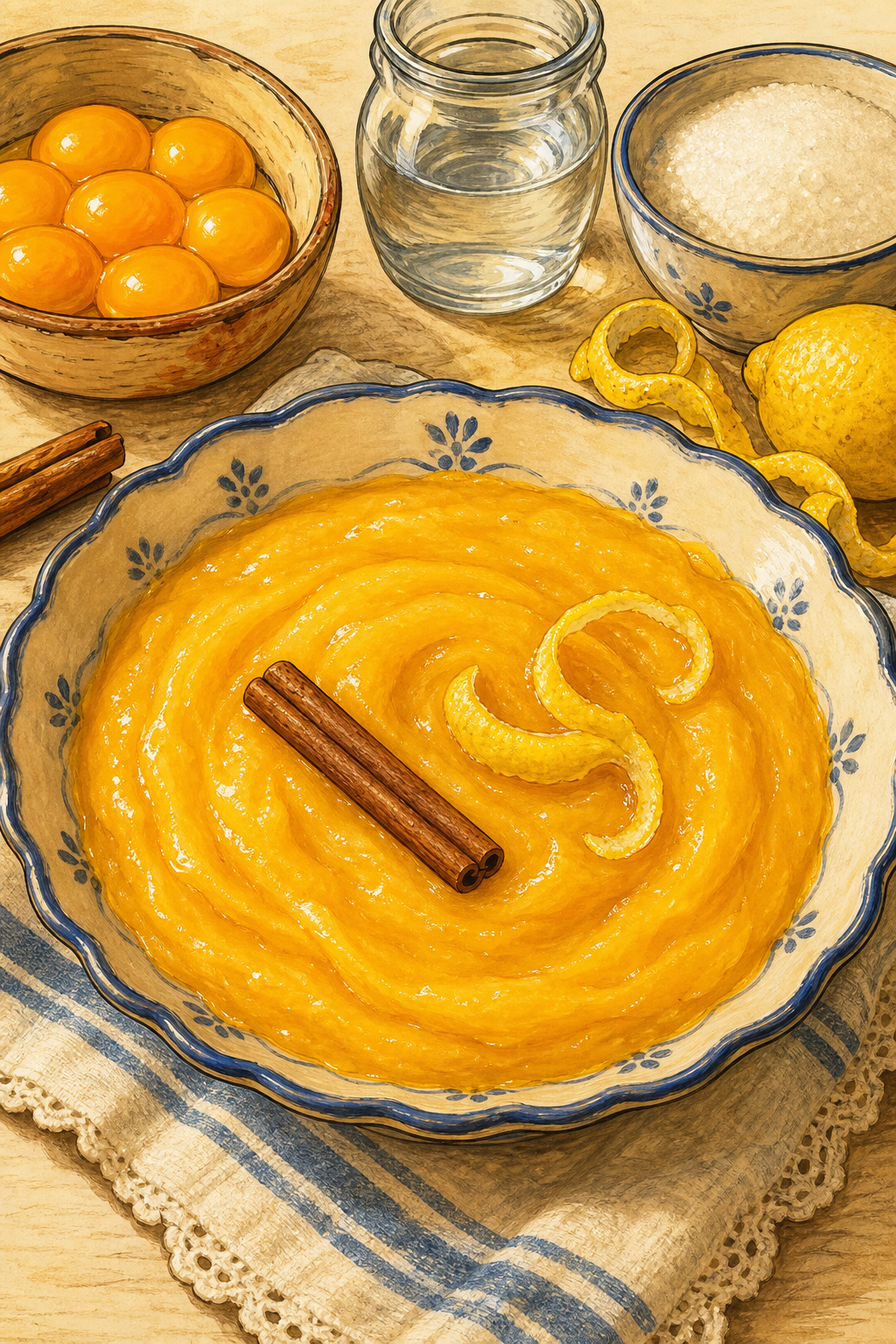
Traditional Portuguese Doce de Ovos
Doce de ovos is a foundational Portuguese convent sweet: strained egg yolks gently thickened with a light sugar syrup, never boiled after the yolks are added.
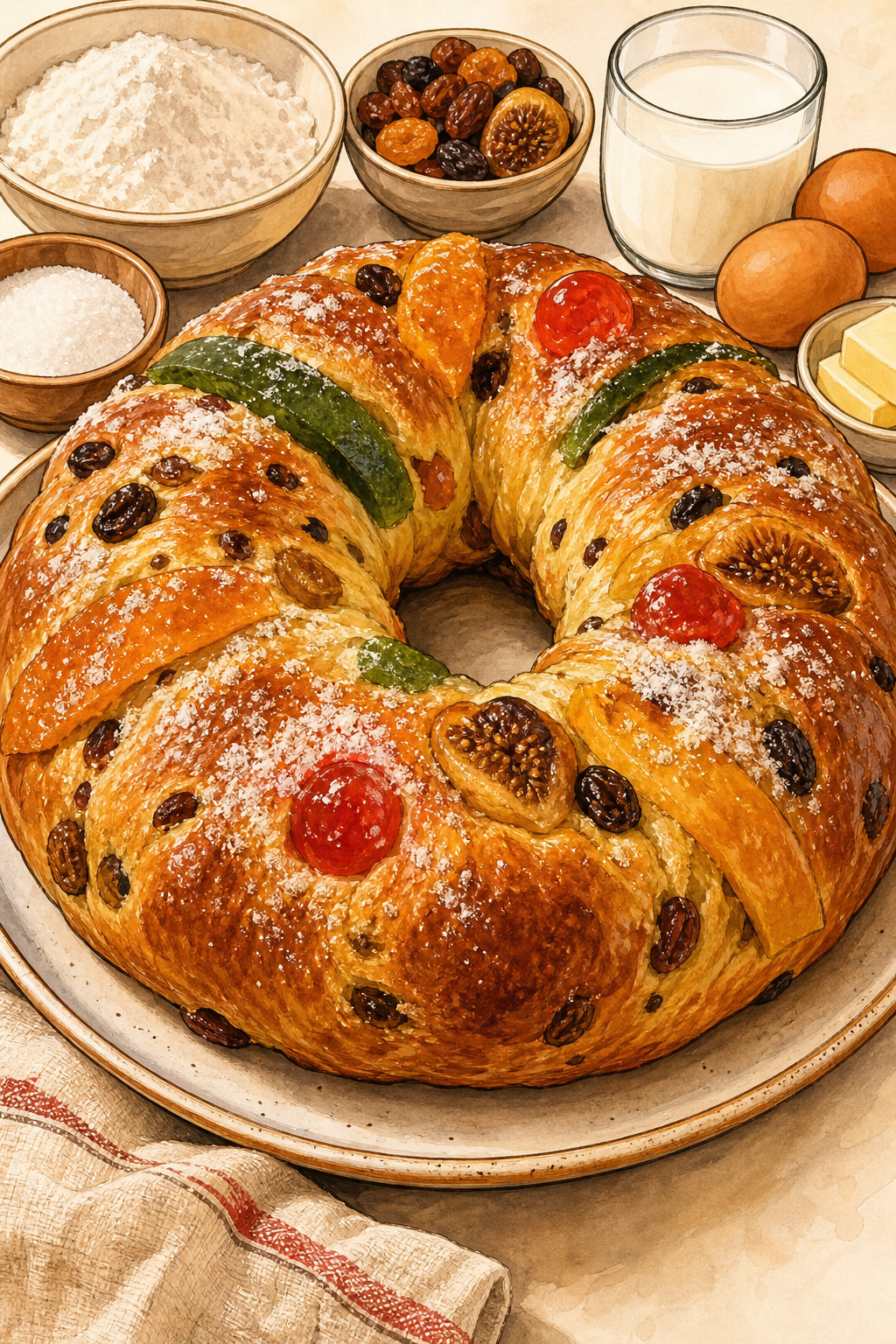
Traditional Portuguese Bolo Rei
Bolo Rei is Portugal’s Christmas crown bread, scented with citrus and fortified wine and studded with candied fruit, dried fruit, and nuts.
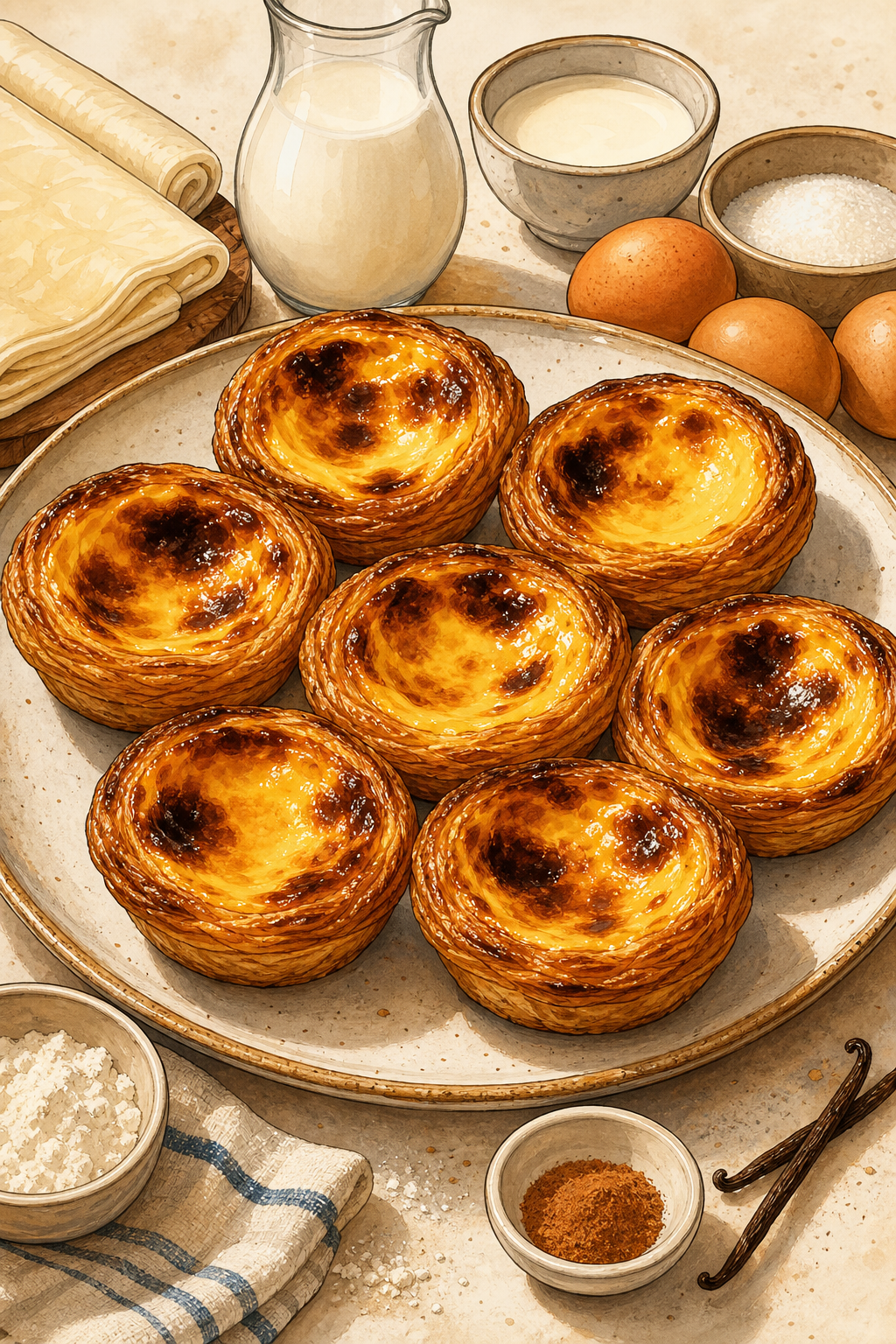
Traditional Portuguese Pastéis de Nata
Pastéis de nata combine a tightly rolled laminated pastry shell with a milk, flour, sugar-syrup, and egg-yolk custard, baked at fierce heat until blistered.
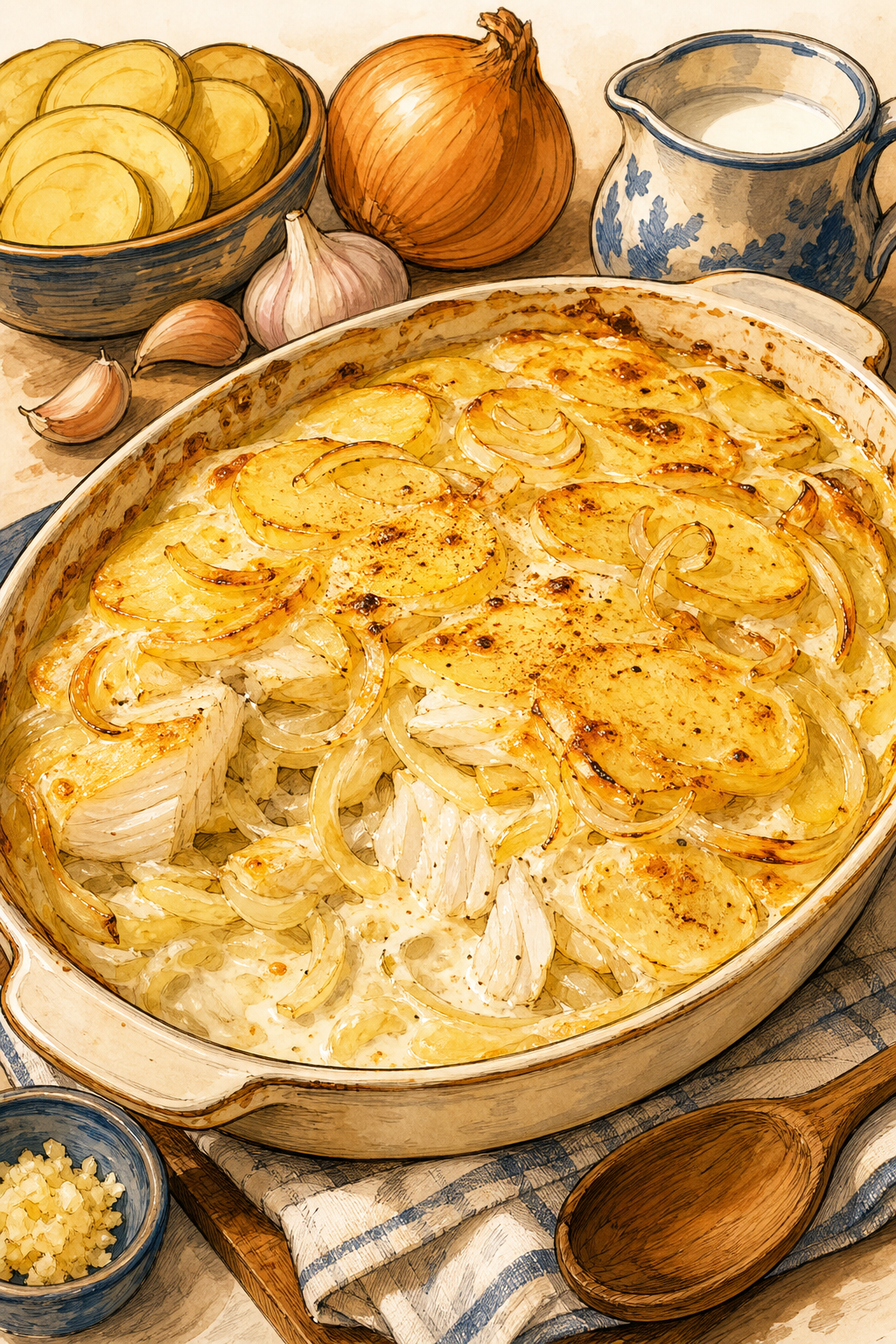
Traditional Bacalhau com Natas
Bacalhau com natas is a Portuguese gratin of desalted cod, onion, small fried potatoes, béchamel, and cream, baked until golden without an Italian-cheese crust.
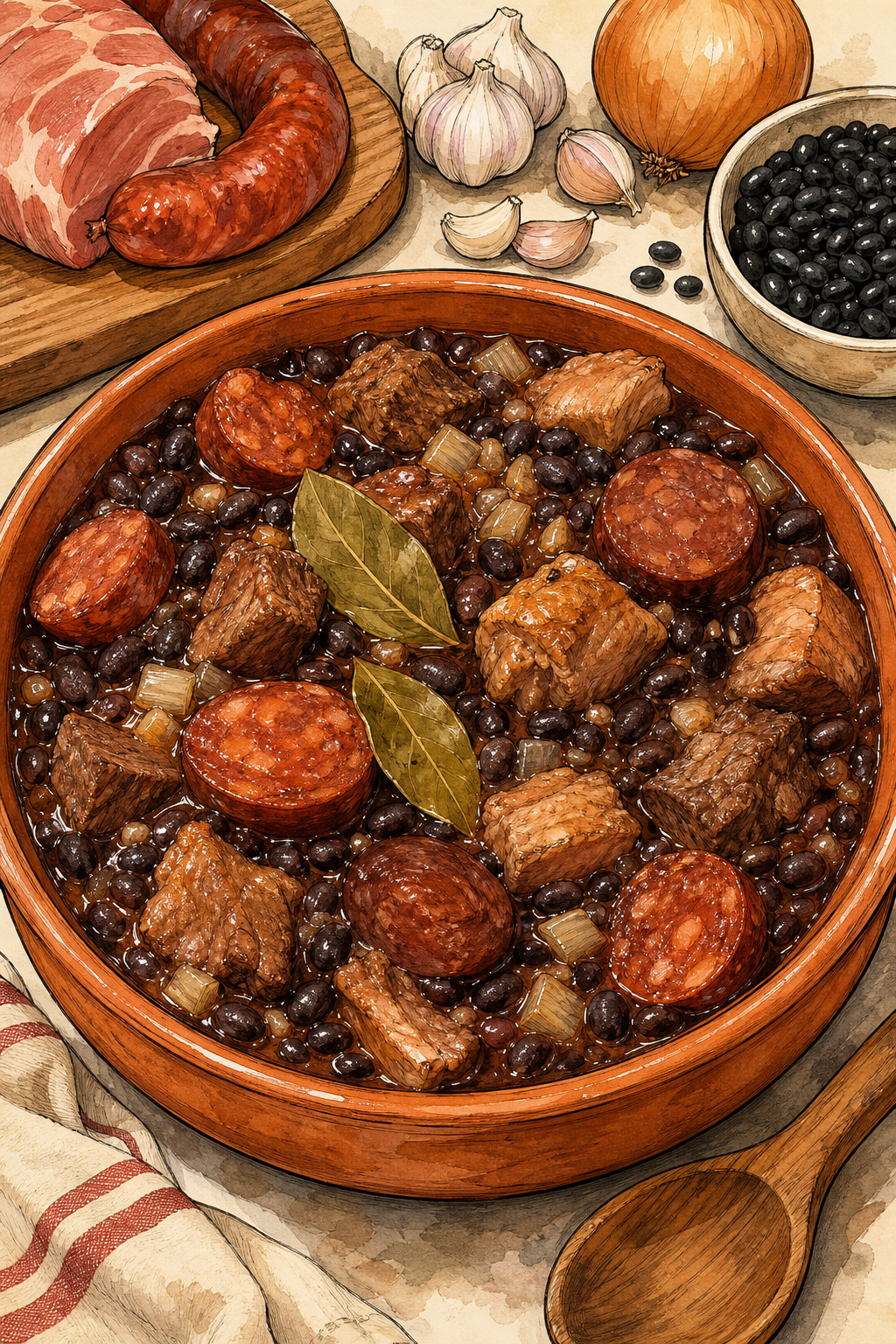
Traditional Feijoada à Transmontana
Feijoada à Transmontana is northern Portugal’s robust bean stew with pork cuts, Portuguese enchidos, and cabbage; it is distinct from Brazilian black-bean feijoada.
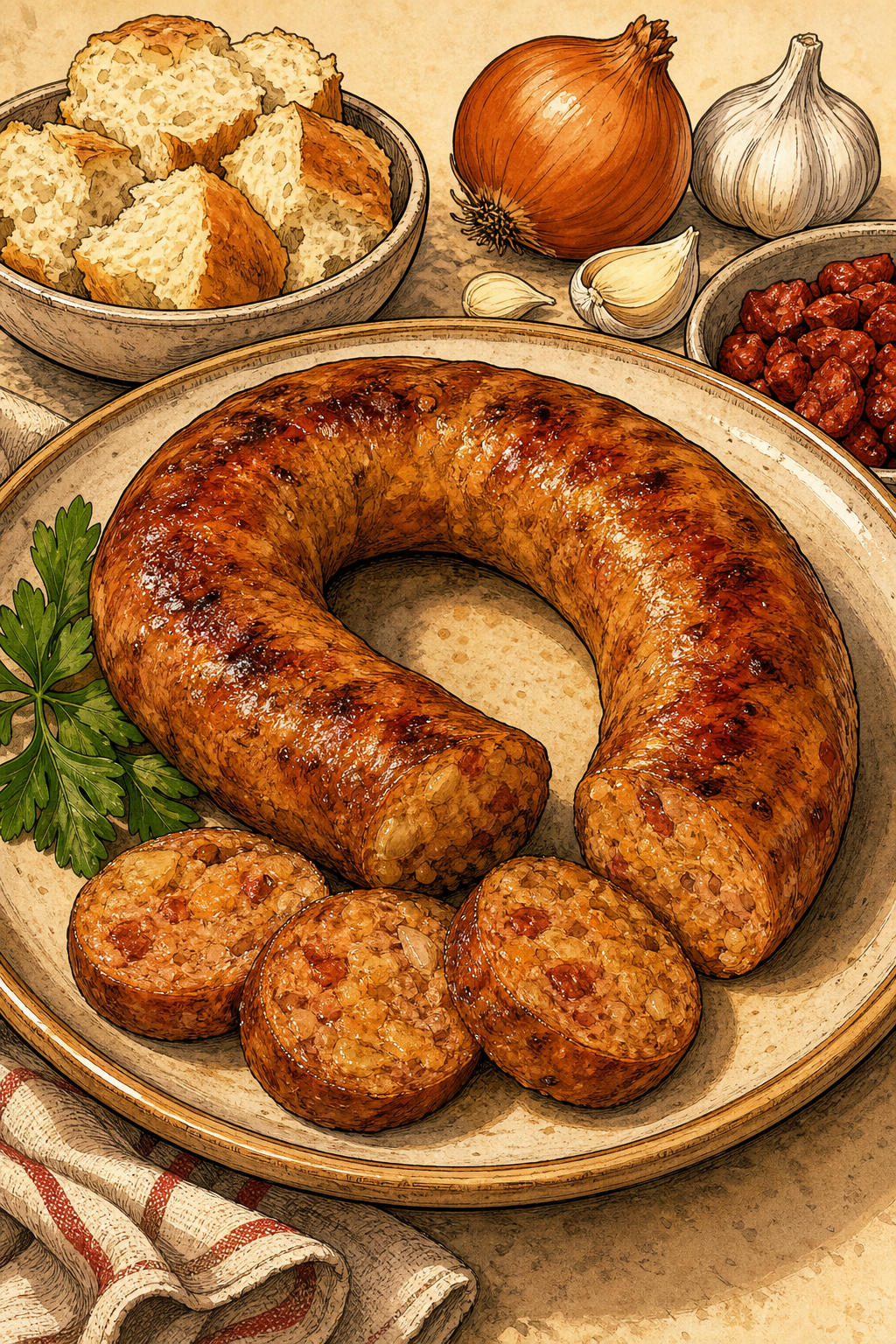
Alheira de Mirandela Grelhada
This traditional serving uses a properly made Portuguese alheira—bread-and-meat sausage from Trás-os-Montes—gently grilled or pan-fried and served with potatoes, greens, and often a fried egg.
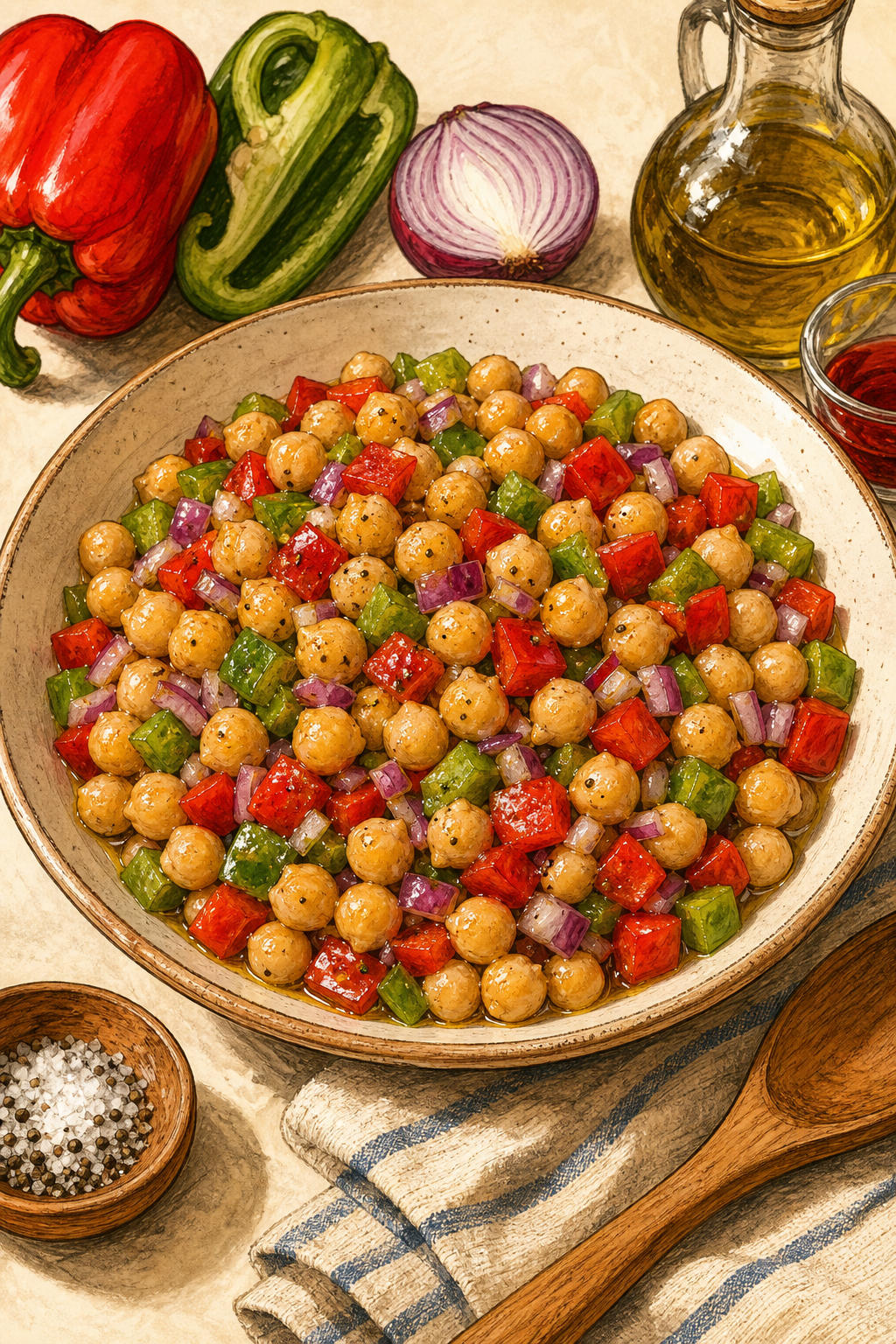
Portuguese Salada de Grão com Bacalhau
Portuguese salada de grão combines chickpeas with flakes of salt cod, onion, parsley, boiled egg, olive oil, and wine vinegar for a substantial room-temperature salad.
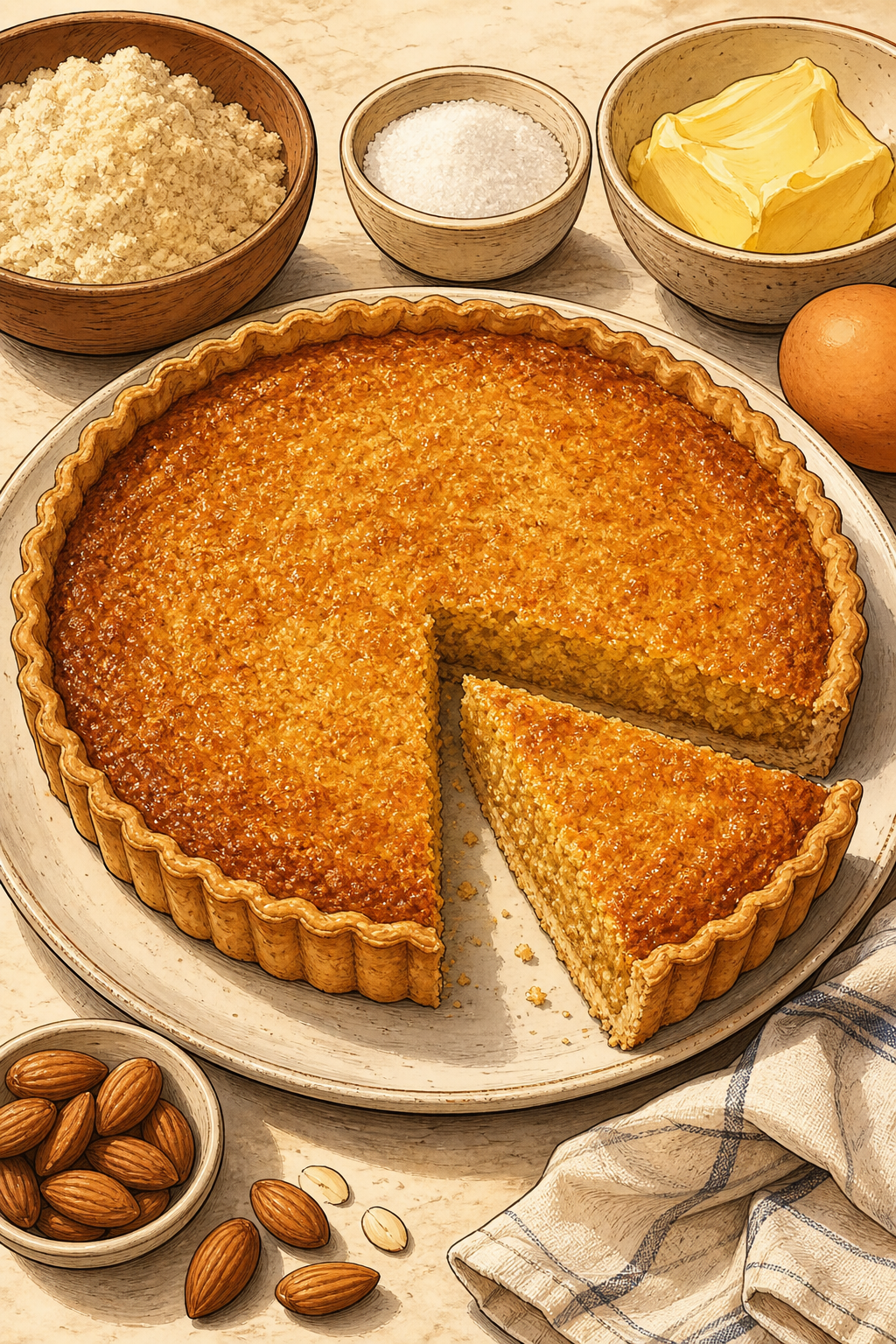
Traditional Portuguese Tarte de Amêndoa
Portuguese tarte de amêndoa has a tender butter cake base and a glossy caramelized topping of sliced almonds, butter, sugar, and milk.
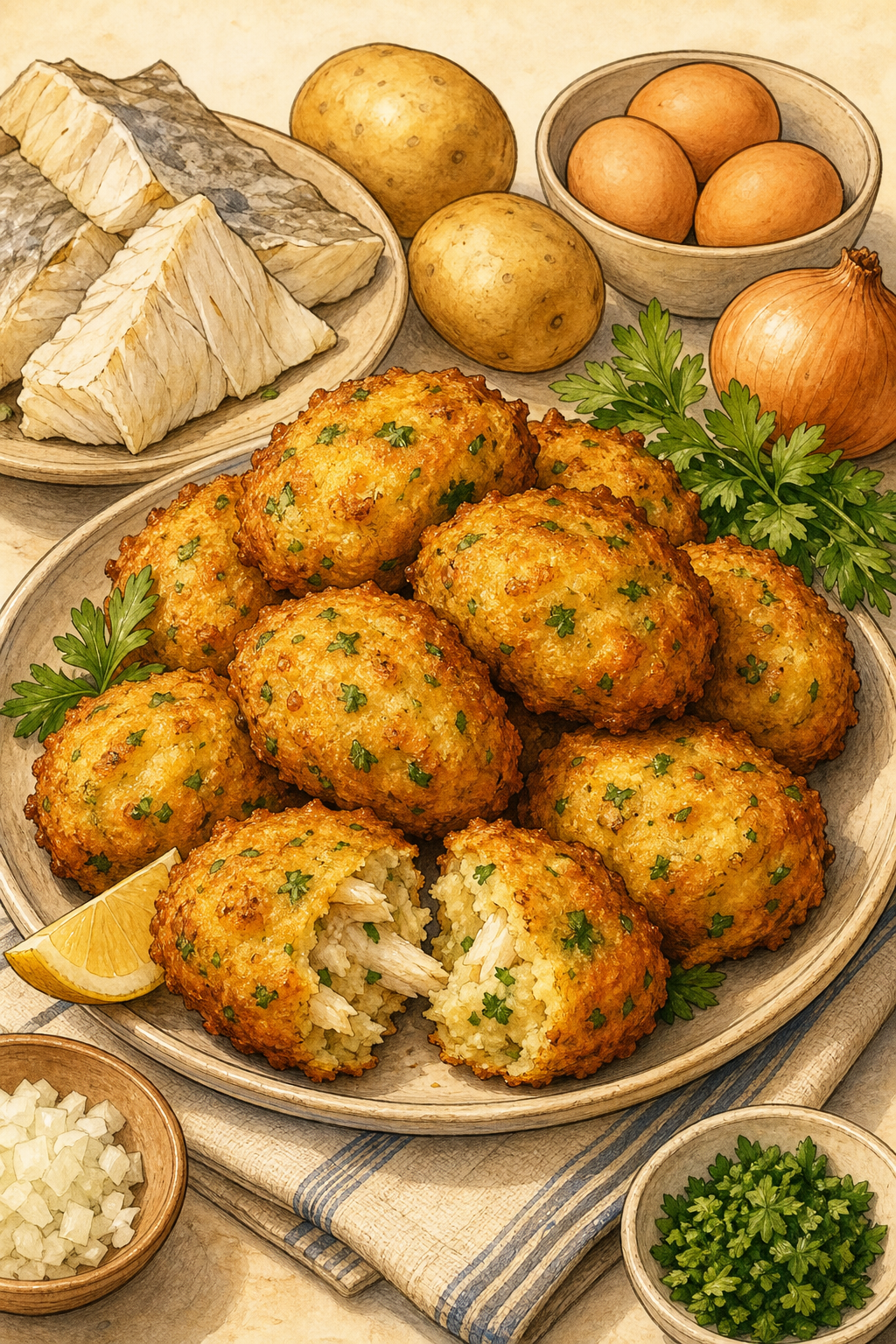
Traditional Portuguese Pastéis de Bacalhau
Pastéis de bacalhau are Portuguese salt-cod and potato fritters, seasoned with onion and parsley, shaped between two spoons into ovals, and fried without chemical leavening.
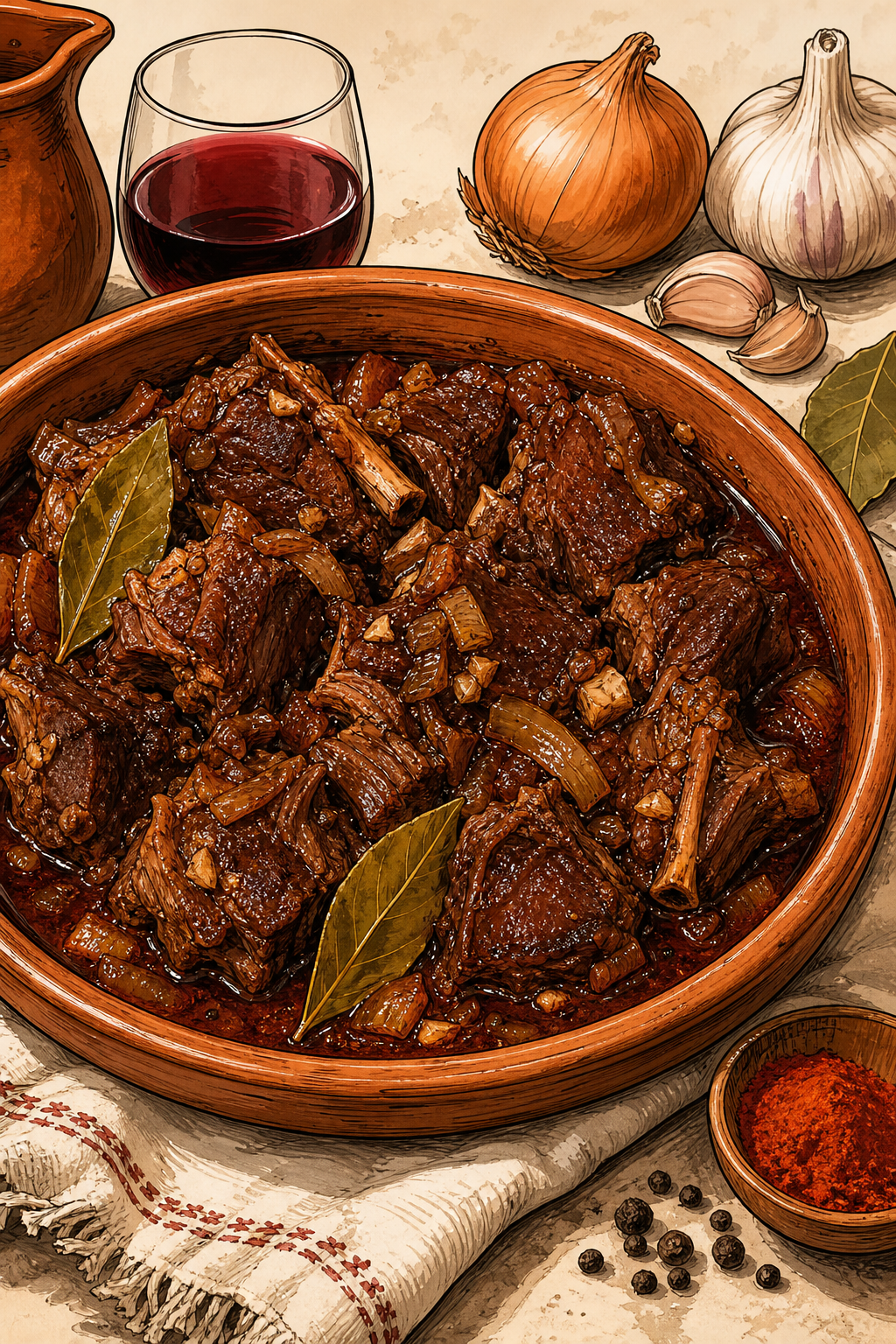
Traditional Beira Chanfana
Chanfana is an old-goat stew from central Portugal, baked for hours in a black-clay caçoila with red wine, garlic, bay, and paprika until meltingly tender.
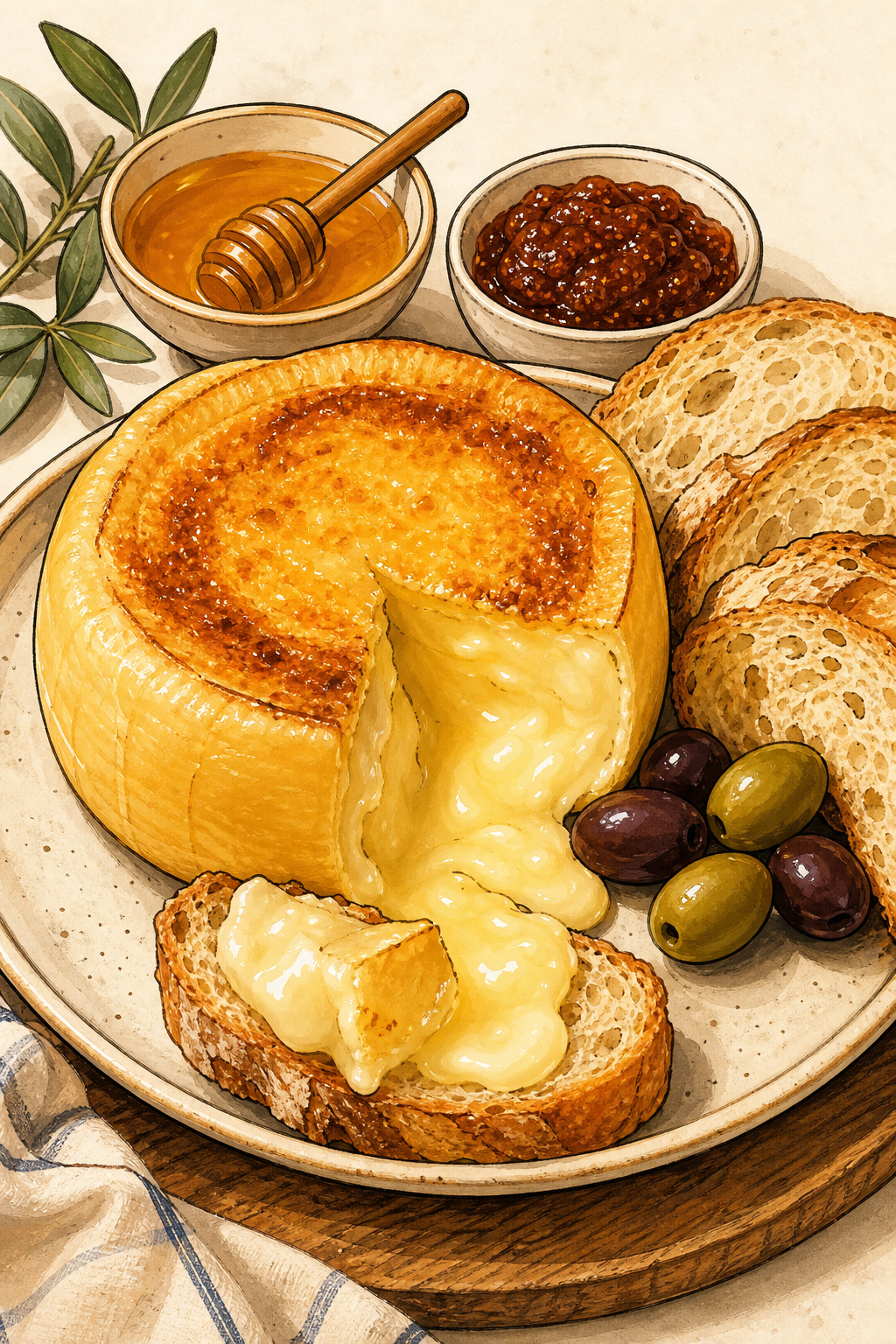
Traditional Queijo Serra da Estrela Serving Board
Queijo Serra da Estrela is a protected Portuguese raw ewe’s-milk cheese traditionally brought to room temperature and served simply with regional bread, olives, and a little honey.
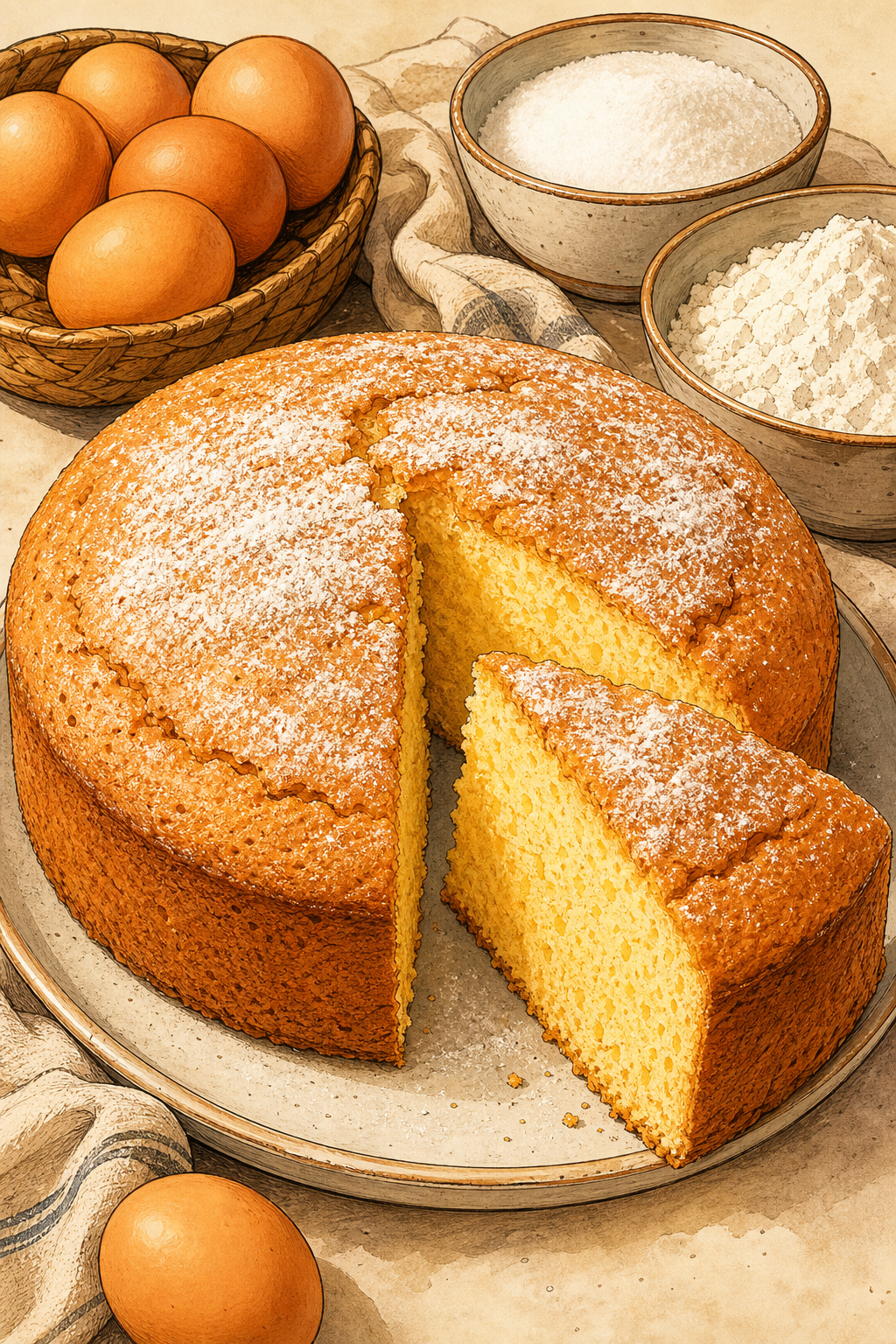
Traditional Portuguese Pão de Ló
Portuguese pão de ló is an airy sponge raised entirely by thoroughly whipped eggs and sugar, with flour folded in gently and no yeast or chemical leavening.