Singapore Kaya (Pandan Coconut Jam)
Singapore Kaya is a slow-cooked pandan coconut-and-egg jam, spread generously on buttered toast and commonly eaten with soft-boiled eggs and local coffee.

Plan and shop
Save this recipe for real-life cooking
Build a local shopping list or place this recipe into a weekly meal plan. No account is required.
Illustrated cooking guide
Step-by-step visual method
A polished English infographic for the whole cooking flow, paired with the full written recipe below for detail and SEO.

Written method
Instructions
Read through once, then cook at your own pace with the illustrated guide above.
- 1
Whisk eggs gently with coconut milk, both sugars, and salt without incorporating too much air.
- 2
Strain the mixture into a heatproof bowl and add pandan leaves.
- 3
Cook over a double boiler on low heat, stirring constantly, until thick, smooth, and spreadable.
- 4
Remove pandan leaves, strain or blend briefly if needed, and cool before transferring to a clean jar.
- 5
Spread kaya and slices of cold butter on crisp toast; serve with soft-boiled eggs and kopi.
Cook notes
Tips
Use gentle indirect heat and constant stirring so the eggs thicken without scrambling.
Prepare garnishes, sauces, and blanched components before final wok-frying or bowl assembly.
Cook smarter
Helpful notes
Practical storage, serving, swap, and troubleshooting notes for a better first try.
Storage Tips
- Cool cooked food promptly before refrigerating.
- Store broth, noodles, crisp garnishes, and fresh components separately when possible.
- Reheat gently and complete final assembly only when serving.
Substitutions
- Use the closest Southeast Asian equivalent only when a defining Singapore hawker ingredient is unavailable.
- Do not replace the defining rempah, seafood stock, fermented seasoning, or cooking method with a generic seasoning blend.
What to Serve With
- Sambal, calamansi or lime, cucumber, rice, or tea where traditional for the dish.
- A complementary Singapore hawker snack, noodle dish, dessert, or drink.
Common Mistakes
- Omitting the defining stock, rempah, fermented seasoning, garnish, or accompaniment.
- Rushing high-heat wok cooking, slow broth building, dough resting, or spice-paste frying.
Recipe FAQ
What defines Singapore Kaya (Pandan Coconut Jam)?
Singapore Kaya is a slow-cooked pandan coconut-and-egg jam, spread generously on buttered toast and commonly eaten with soft-boiled eggs and local coffee.
Can Singapore Kaya (Pandan Coconut Jam) be prepared ahead?
Stocks, spice pastes, braises, and sauces can often be made ahead, but fry, grill, assemble, or pull the final dish close to serving for the intended texture.
How should leftover Singapore Kaya (Pandan Coconut Jam) be stored?
Cool cooked components promptly and refrigerate in airtight containers for up to 3 days; keep noodles, crisp garnishes, sauces, and fresh herbs separate.
Kitchen tools
Helpful Tools for This Recipe
A light, editable placeholder for future partner recommendations. No real affiliate links are enabled yet.
Rice cooker
Good for steady rice, grains, and meal-prep bowls.
Blender
Helpful for smooth sauces, soups, marinades, and purees.
Skillet
Useful for browning, quick sautes, and weeknight one-pan cooking.
Chef knife
A basic prep tool for vegetables, herbs, aromatics, and proteins.
Cutting board
Keeps prep organized for chopping, slicing, and staging ingredients.
Some links may be affiliate links. As an Amazon Associate or partner, we may earn from qualifying purchases when enabled. Read the Affiliate Disclosure.
Cook along weekly
Want more illustrated recipes like Singapore Kaya (Pandan Coconut Jam)?
Join the World Recipe Letter for global home-cooking ideas and visual recipe guides.
Join the World Recipe Letter
Get 5 illustrated recipes every week.
No account needed. Unsubscribe when email delivery is connected.
Cook next
You might also like
More flavors from the same country or nearby pantry style.
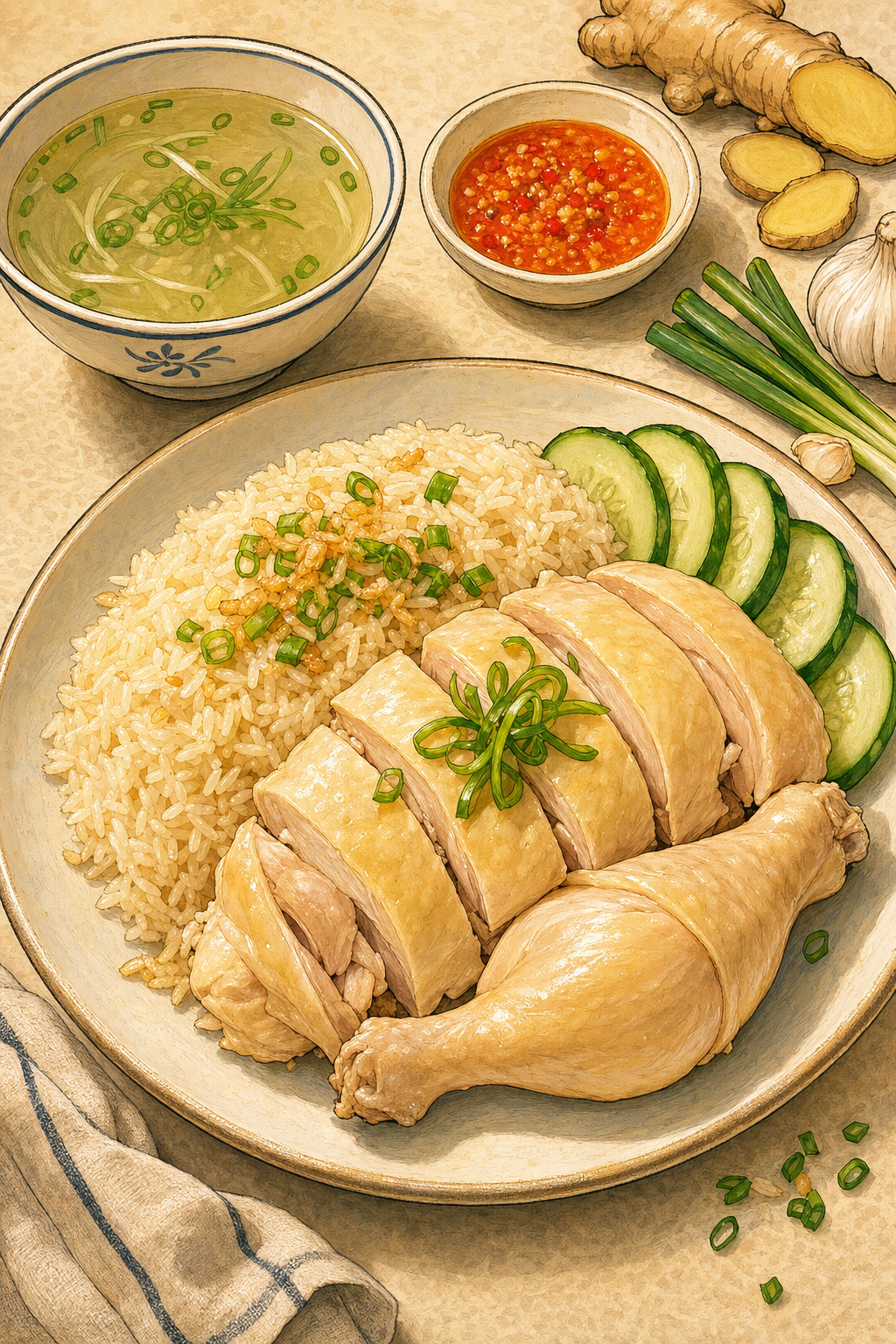
Hainanese Chicken Rice
Poached chicken served with fragrant ginger-garlic rice, cucumber, clear broth, and bright chile sauce.
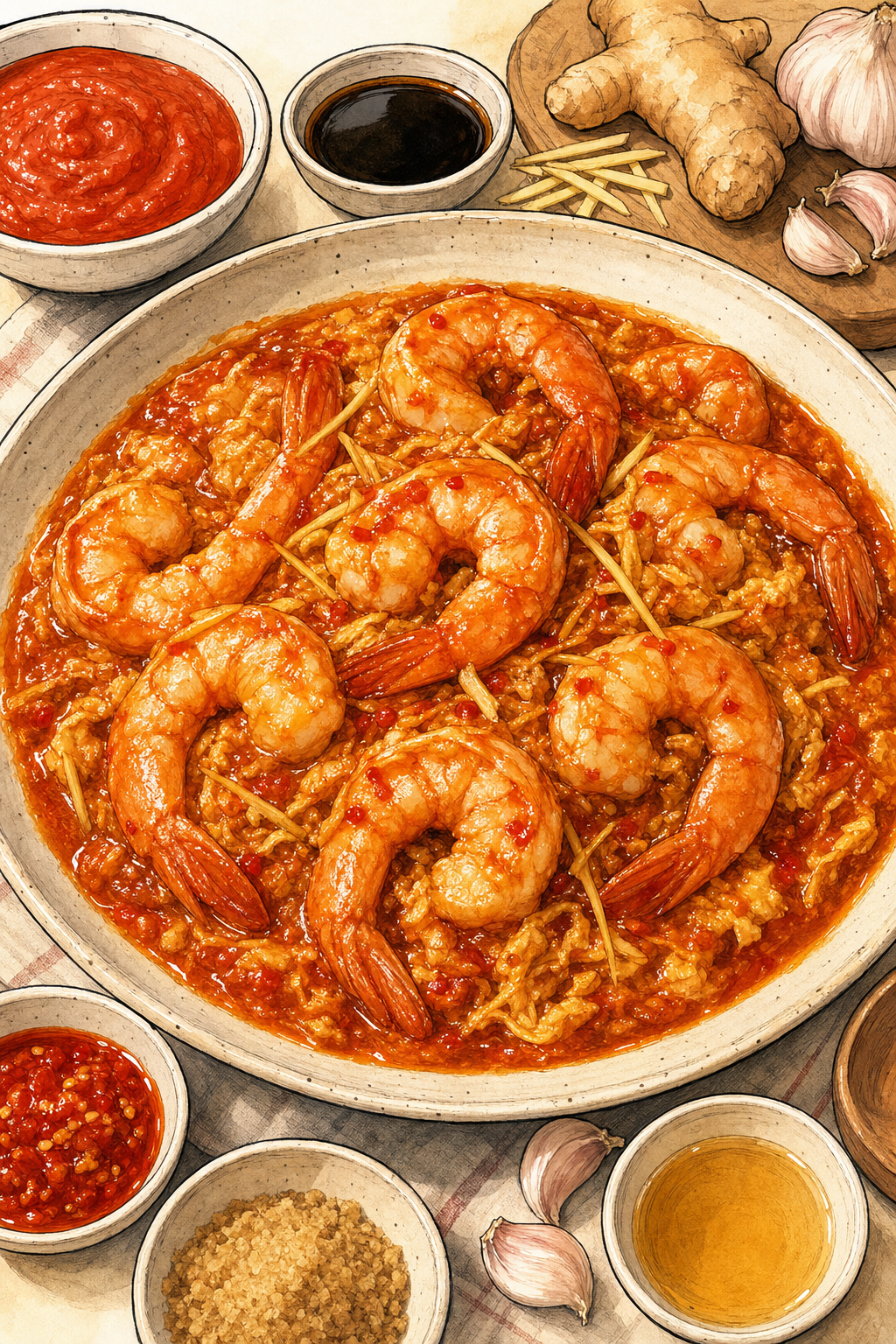
Singapore Chili Shrimp
A home-friendly take on chili crab flavors with shrimp, tomato-chile sauce, ginger, garlic, and soft ribbons of egg.
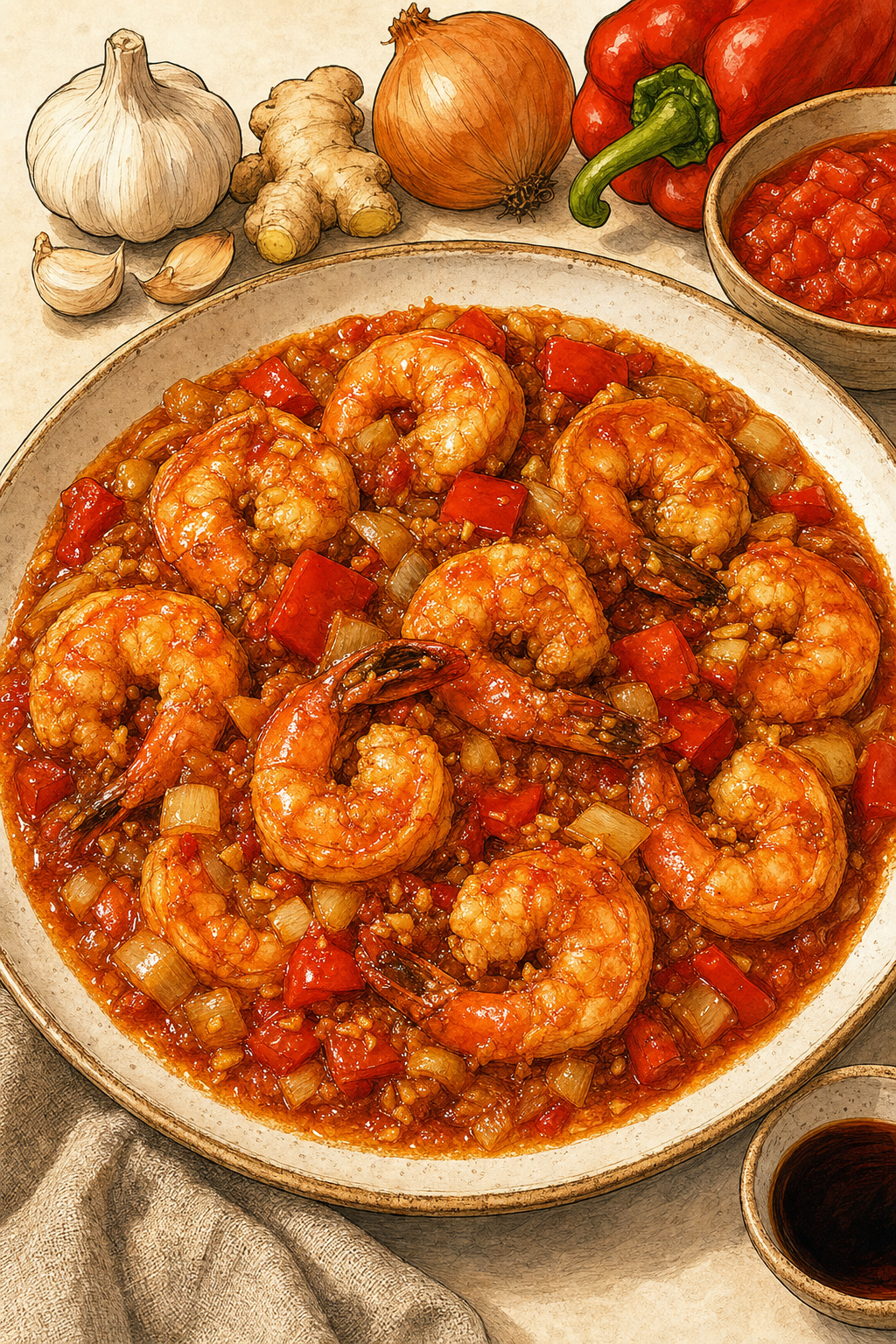
Chili Crab Inspired Shrimp
Experience the flavors of Singapore with this Chili Crab Inspired Shrimp dish. This recipe features succulent shrimp cooked in a spicy, aromatic sauce, capturing the essence of the beloved chili crab dish while being simple enough for home cooks to enjoy.